Q01Which exchanges and platforms do you support?
We support 200+ centralized exchanges, including Coinbase, Binance, Kraken, Gemini, and KuCoin, plus major blockchain networks used for self-custody and DeFi activity.
We match activity across wallets and exchanges, rebuild missing cost basis, and deliver Form 8949-ready records.
Crypto records break when platforms only see one part of a transaction. A missing acquisition, an unmatched wallet transfer, or incomplete broker basis can turn clean activity into false gains. Digital asset reconciliation reconnects the evidence before those errors reach Form 8949.
Software defaults to zero or unknown basis, which can overstate gain.
Rebuild the lot from surviving CSVs, wallet transfers, bank records, on-chain history, and historical pricing.
Reconciliation turns incompatible exports, on-chain events, prior-year lots, and broker forms into one transaction-level record. Each source is normalized, transfers are matched, activity is classified, and the completed ledger is tied to the tax forms that depend on it.
Dates, symbols, quantities, and USD values share one format.
Every withdrawal is tested against receiving-wallet deposits.
Transfers, disposals, income, fees, and DeFi events separate.
Ledger totals reconcile to 1099-DA lines and tax schedules.
Choose the free intro or the 30-minute strategy consultation, then pick a date and time.
Crypto transaction reconciliation is critical because no single exchange sees the full life of an asset. When a transfer, bridge, or wallet is missing, software can sever the original cost basis and misclassify later activity. Reconciliation restores transaction-level continuity before tax treatment is applied.
Clean crypto cost basis reconciliation connects disposals to supported acquisition lots, removes false activity, and applies a consistent method to the records that remain.
Illustrative examples. The available records determine which treatments can be supported.
Missing crypto cost basis is reconstructed by tracing assets backward through exchange CSV archives, wallet addresses, on-chain history, transfer records, prior-year reports, and historical prices. Each disposal is connected to supported acquisition evidence, while unresolved lots remain visible instead of receiving an unsupported number.
Zero basis is a last-resort reporting position. When reliable evidence cannot establish a figure, the lot stays on the exceptions report for review.
We collect every available source, map the transaction story, reconstruct supported acquisition lots, and tie the completed ledger to broker forms and filing schedules. You see the open questions and approve the record before it becomes tax-ready output.
Connect exchanges and wallets read only, then upload surviving CSVs, prior reports, broker forms, and records from closed platforms.
Illustrative example, not a client result. Open exceptions remain visible rather than being forced closed.
Garrett leads the reconciliation strategy and final CPA review, while Leanne Grant, EA, provides a second licensed review of the tax-ready record. The engagement stays connected to named professionals from the first scope conversation through the final handoff.


1099-DA reconciliation compares broker-reported proceeds and any reported basis with the complete transaction ledger before filing. Brokers are not required to report basis on Forms 1099-DA for 2025 sales, so those forms generally show gross proceeds only. From 2026, basis is reported only for assets acquired after 2025 and held in the same account, so transferred-in and older holdings still arrive without it. A line-by-line tie-out explains the difference and keeps gross proceeds from being mistaken for taxable gain.
*Proceeds minus basis available to the broker.
The broker form is one source record, not the full history. Once the tie-out is complete, the cleaned data can flow into crypto tax return preparation. If the mismatch has already produced correspondence, use our IRS crypto notice response service.
Every engagement ends with a reconciliation dossier that shows what was matched, what was rebuilt, what remains open, and how the final ledger connects to broker forms and tax schedules. Select a folder tab to inspect the structure of each deliverable.
A unified, line-by-line record across exchanges, wallets, and supported on-chain sources.
| Date | Source | Event | Asset | Basis status |
|---|---|---|---|---|
| 02/11 | Kraken | Deposit | BTC | Matched |
| 02/20 | Kraken | Sale | BTC | Supported |
| 03/04 | Uniswap | Swap | ETH | Supported |
Illustrative sample structure. No client data is shown.
Find the portfolio fingerprint closest to yours. Each one shows the record symptoms we investigate and the continuity reconciliation restores.
Platform totals disagree, transfers look like sales, and duplicate imports distort gains.
We pair owned-account transfers, remove duplicates, and create one continuous transaction history.
These direct answers cover the records we support, how reconstruction works, what affects timing, and where reconciliation ends before tax preparation or notice response begins.
For broader tax planning and filing support, explore our crypto CPA services.
Choose the right calculation layer after the source data is clean.
Read guide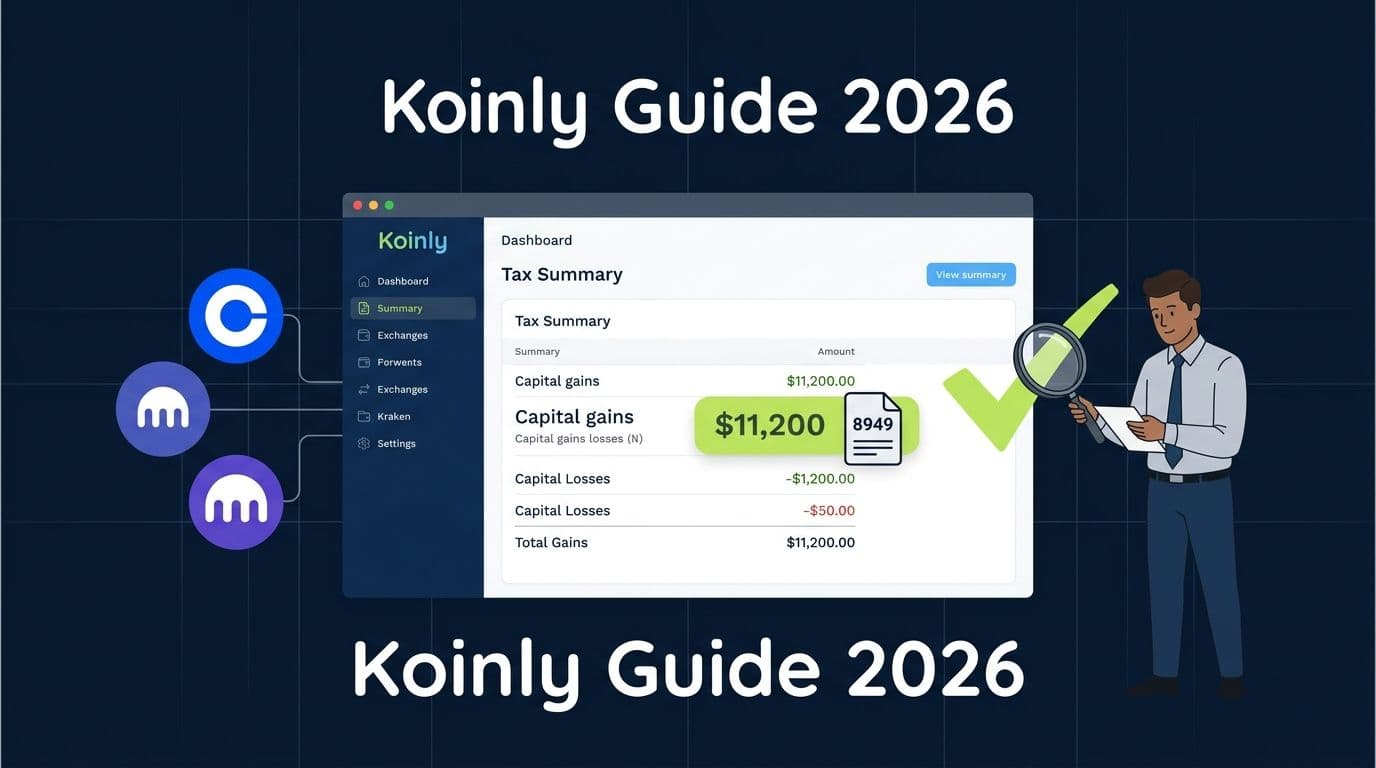
Understand imports, warnings, and the limits of software-only reconciliation.
Read guide
See how swaps flow from the ledger into taxable disposal reporting.
Read guideChoose a consultation with Garrett Taylor, CPA. We will review the shape of your transaction history, identify the likely data gaps, and outline the records needed for a complete digital asset reconciliation. You will leave knowing which evidence to collect and what scope fits.
Garrett Taylor CPA #133092, reviewed by Leanne Grant EA #00167954-EA