We place vesting, option exercises, withholding, and crypto disposals on one timeline. That makes it easier to identify estimated-payment needs, review alternative minimum tax exposure, and test whether the 3.8% Net Investment Income Tax applies.
Bring: W-2, equity statements, trade historyCrypto CPA Services, San Diego
Crypto CPA in San Diego
CPA-led crypto tax strategy for complex wallets, DeFi, equity compensation, and California filings.
Garrett Taylor, CPA #133092Leanne Grant, EA #00167954-EARemote-first across San Diego County
Key Facts
Key Facts About Crypto Taxes in San Diego
San Diego residents face California income tax on taxable crypto gains and income, while the city adds no local income tax. Residency dates, cost basis, and complete exchange and wallet records determine the return. The 1099-DA is a comparison point, not a substitute for the full digital asset ledger.
01
California taxes crypto capital gains as ordinary income at rates up to 13.3%, with no separate state rate for long-term gains.
02
San Diego has no city income tax. Federal and California income taxes still apply to taxable crypto gains and income.
03
California residents generally report worldwide income. Part-year residents must separate the resident and nonresident portions of the year under Franchise Tax Board rules.
04
Broker Forms 1099-DA should be reconciled against wallet and exchange records before Form 8949 and Schedule D are prepared.
05
Garrett Taylor CPA #133092 prepares San Diego crypto returns, with review by Leanne Grant EA #00167954-EA.
Why San Diego
Why San Diego Crypto Investors Need a Specialist
San Diego crypto investors often combine digital assets with compensation, residency, or cross-border questions that tax software cannot resolve. The return needs one fact pattern connecting wallets and exchanges to equity events, military domicile, foreign accounts, and each California residency date.
Service members and military spouses may need a separate residency analysis. Orders, legal residence, spouse facts, prior returns, and move dates all matter. We connect those facts to the date of each taxable crypto event.
Bring: orders, domicile records, prior returnsThe answer depends on account structure, institution, ownership, and value. Foreign bank accounts, Mexican entities, exchange accounts, and self-custody wallets do not all receive the same treatment. We identify which items need specialist review early.
Bring: foreign account and entity listThe record should show when compensation was recognized, what basis resulted, and what happened on a later disposal. One connected timeline helps prevent the same value from being treated as both compensation income and sale proceeds.
Bring: grants, vesting terms, wallet evidenceSchedule directly
Choose a time with Garrett.
Start with a free 15-minute intro or choose a focused 30-minute strategy consultation. Pick a date, then select an available time here.
San Diego Tax Reality
State + Local Tax Reality in San Diego
California taxes crypto gains and income, while San Diego has no separate city income tax. Full-year residents generally report worldwide income. Part-year residents and people who moved out need transaction dates, domicile evidence, and California-source analysis tied to the same wallet and exchange ledger.
RESIDENCY START
MOVE INDEC
FTB rule in practice
The return separates resident and nonresident periods by actual transaction date.
A part-year return is not annual income divided by months. Each disposal or income event should be tied to the taxpayer's residency status on that date, with California-source income reviewed separately.
TRANSACTION DATESLEASE OR HOMEDRIVER LICENSEVOTER RECORDTRAVEL CALENDARFAMILY + BUSINESS TIES
Common Issues
Common Crypto Tax Issues We See in San Diego
The hardest San Diego crypto tax questions usually involve two systems at once: a crypto ledger plus equity compensation, military domicile, a cross-border account, a mid-year move, or a broker form that does not match. Each issue needs a direct answer before the return can be prepared.
RSU vesting and some option events can create ordinary income before a crypto sale adds capital gain.
The combined income may change estimated tax needs, phaseouts, and exposure to the 3.8% Net Investment Income Tax. A stock option exercise may also require an alternative minimum tax review. We place vesting, exercises, withholding, and crypto disposals on one timeline instead of treating the equity compensation and crypto ledger as separate returns.
Military orders and a California duty station do not automatically settle your state domicile.
Your legal residence, move history, spouse facts, and the source of each income item can affect the filing result. Investment income and military wages can also follow different state rules. We review orders, residency documents, transaction dates, and prior returns before assigning crypto gains to California or another state.
It can when the activity involves certain foreign financial accounts or foreign entities.
The reporting question depends on the account structure, institution, ownership, and value, not simply on living near Tijuana or using crypto. A foreign bank account funding an exchange, an interest in a Mexican entity, and assets held in self-custody may not produce the same answer. We identify the accounts that need specialist review and coordinate the return with required information reporting.
Possibly.
California generally taxes all income received while you were a resident and may tax California-source income after you leave. The sale date, residency change date, domicile evidence, and source of the income matter. A part-year return should match those dates to the transaction ledger instead of applying one state to the entire year. We also check estimated payments and withholding so they are assigned to the correct return period.
Do not copy the form into the return without reconciling it.
Transferred-in assets may have missing basis, wallet movements may look like sales, and imports can duplicate transactions. A broker may see only the activity that occurred on its own platform. We compare the 1099-DA with the complete ledger, identify the reason for each difference, report the correct figures, and preserve support for Form 8949 and Schedule D.
Our Process
Our Process for San Diego Clients
Our remote-first engagement works from anywhere in San Diego County. Four clear steps take the work from initial scope through filing. The digital asset ledger is resolved before federal and California forms are prepared, so the return and supporting workpapers follow the same facts.
STEP 01
Onboard
Book a paid 30-minute consultation for $199. We review the facts, define the scope, and send the engagement and fixed fee in writing.
OUTPUT: SIGNED ENGAGEMENT + SECURE REQUEST LIST
Licensed review
Meet Garrett Taylor, CPA.
Garrett leads the San Diego engagement and prepares the tax work. Leanne Grant, EA, provides the second licensed review before a return is filed.
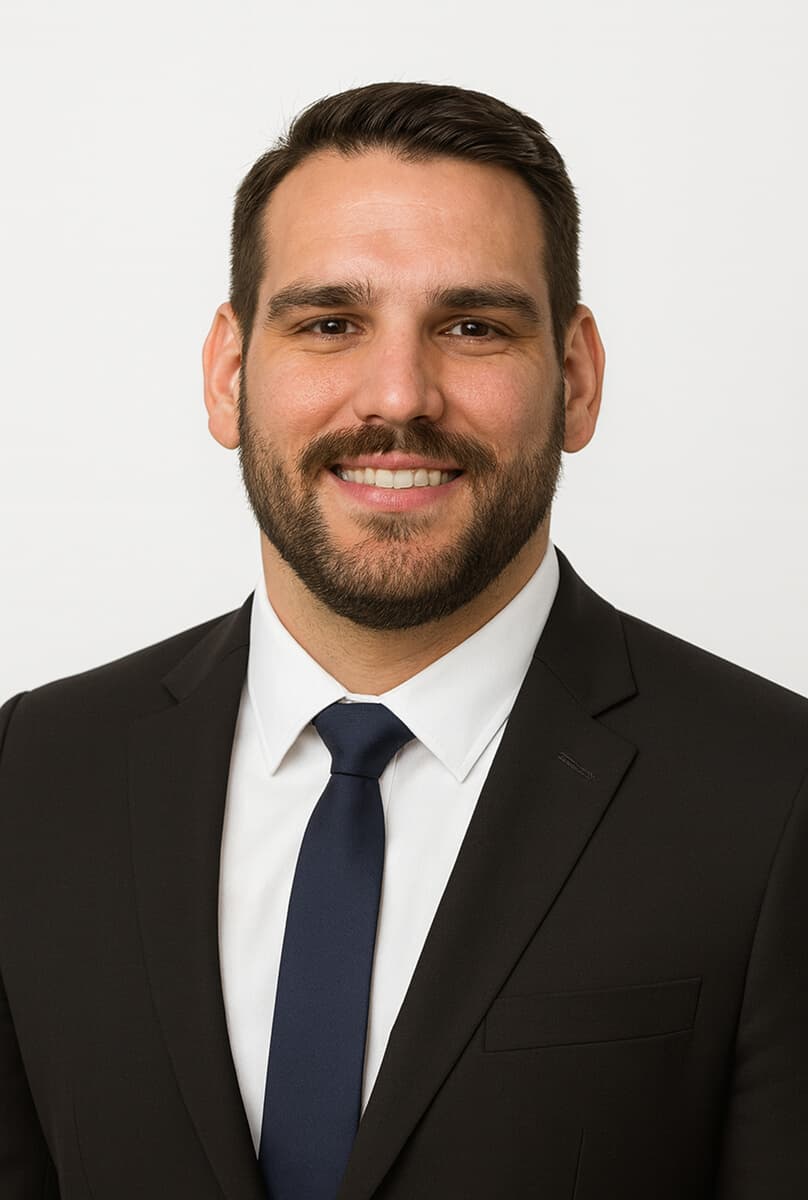 CPA #133092
Prepared by
Garrett Taylor, CPA
California CPA #133092. Garrett connects the digital asset ledger to the federal and California return.
Verify Garrett's CPA license
Reviewed by
Leanne Grant, EA
Enrolled Agent #00167954-EA. Leanne reviews the return for complete and consistent digital asset reporting.
Verify Leanne's EA credentialPricing
Pricing & Engagement
COS Elite scopes each engagement from the work required, then provides a fixed fee in writing. Toggle the factors below to see what changes the level of review. This is a scope guide, not an instant estimate or a substitute for reviewing your records.
StraightforwardComplex
CURRENT SCOPE SIGNAL · 2/6 FACTORSModerate specialist review
The written engagement confirms scope, the fixed fee, responsibilities, and the records COS Elite needs before work begins.
Local Service
San Diego-Based, Remote-First Crypto Tax Help
COS Elite is based in San Diego and works with clients through a remote-first process. Garrett Taylor is a California-licensed CPA. The local advantage is familiarity with California filings and the compensation, military residency, and cross-border questions common in San Diego County.
SERVICE DOSSIER / SAN DIEGOREMOTE-FIRST
FILE 01
VERIFIED INPUT
VERIFIED INPUT
California-licensed CPA
Garrett Taylor CPA #133092 leads the tax work, with review by Leanne Grant EA #00167954-EA. The engagement covers both the transaction detail and how it carries into the federal and California returns.
FILE 02
VERIFIED INPUT
VERIFIED INPUT
Remote-first engagement
Consultations, document exchange, reconciliation, review, and filing are handled securely online. Clients can work from La Jolla, Chula Vista, Carlsbad, Oceanside, or elsewhere in the county without transporting tax records to an office.
FILE 03
VERIFIED INPUT
VERIFIED INPUT
San Diego-specific review
The intake covers equity compensation, military domicile, California part-year residency, and foreign account questions when those facts apply. These issues are documented beside the wallet and exchange history so the return follows one consistent timeline.
FILE 04
VERIFIED INPUT
VERIFIED INPUT
Records to gather
Bring prior federal and California returns, Forms W-2 and equity compensation statements, exchange exports, public wallet addresses, and broker tax forms. Military clients should also gather orders and domicile records. Cross-border households should identify foreign accounts and entities so any FBAR or FATCA question can be reviewed early. This keeps residency and information-reporting questions from surfacing after the return is already drafted.
Ready to Get Your Crypto Taxes Done Right?
Book a paid 30-minute consultation with Garrett for $199. COS Elite serves San Diego clients through a secure remote-first process.
FAQ
Frequently Asked Questions
What is the total tax rate on crypto gains for San Diego residents?
San Diego residents face a combined top long-term capital gains rate of 37.1%.California taxes capital gains as ordinary income at up to 13.3%, San Diego residents face the same high state rate as LA and SF with no preferential LTCG treatment. Short-term gains and DeFi income are taxed as ordinary income at up to 50.3% combined. Proper cost-basis optimization and holding-period management can significantly reduce your effective rate.
What crypto tax issues are specific to San Diego?
San Diego's crypto tax challenges include: Military personnel stationed in San Diego with crypto holdings across multiple duty stations and state residencies; Qualcomm and biotech employees with RSUs, ISOs, and crypto creating layered capital gains events; Cross-border considerations for residents near Tijuana with Mexican and U.S.crypto activity. These issues require a CPA who understands both the IRS rules (Notice 2014-21, Rev. Rul. 2019-24) and the local tax landscape. We handle the full picture, federal, state, and local.
How are DeFi yields taxed for San Diego residents?
DeFi yields, staking rewards, liquidity pool returns, lending interest, are ordinary income at the federal level per IRS Notice 2014-21.California adds 13.3% on top. Combined, DeFi income can face up to 50.3% total taxation. Each yield event requires tracking of fair market value at time of receipt.
What if I have unreported crypto from prior years?
The IRS has multiple mechanisms for bringing prior-year crypto activity into compliance, amended returns (Form 1040-X), voluntary disclosure, and back-year reconstruction.With the digital asset question now on Form 1040 and exchanges issuing 1099s under TD 10000, the window for voluntary correction is narrowing. We help San Diego clients reconstruct prior-year activity, file amended returns for each affected year, and get compliant proactively. The penalties for non-reporting compound quickly, failure-to-file penalties (5% per month up to 25%), accuracy-related penalties (20%), and potential fraud penalties can be far more costly than the underlying tax. California may impose additional state-level penalties for unreported income.
How does a remote crypto tax engagement work for San Diego clients?
You start with a $199, 30-minute consultation with Garrett.COS Elite reviews your exchanges, wallets, DeFi activity, California filing facts, and missing records, then sends a written engagement with a fixed fee in writing. If you proceed, the team reconciles the complete digital asset ledger before Garrett prepares the federal and California returns and Leanne completes the second licensed review.
What documents do I need to get started?
Exchange account access or CSV exports, wallet addresses for on-chain history, any prior-year tax returns, and a summary of your DeFi activity if applicable.For San Diego residents with state filing obligations, we may also need your most recent California state return. We handle the rest, including pulling on-chain data and reconstructing cost basis.
Can COS Elite help with crypto tax planning, not just filing?
Yes.COS Elite provides planning for large crypto sales, loss harvesting, estimated payments, equity compensation, relocation, and other events that can change a San Diego client's federal or California tax position. Planning work is scoped by the facts and quoted as a fixed fee in writing, rather than presented as a one-size-fits-all subscription.
Do you meet clients in person in San Diego?
COS Elite is remote-first.San Diego clients complete consultations, document sharing, reconciliation, review, and filing securely online. This model gives clients direct access to Garrett while keeping records and communication in one secure digital workflow.
How is a crypto CPA different from a regular San Diego CPA?
A crypto CPA combines tax return preparation with transaction-level digital asset work.That can include matching transfers across wallets, reconstructing missing cost basis, reviewing staking and DeFi activity, and reconciling broker forms before preparing Form 8949, Schedule D, and Schedule 1. A general CPA may prepare the return but may not offer that on-chain reconciliation workflow.
Does California tax staking and DeFi income?
Yes, California generally includes taxable staking rewards and DeFi income in state taxable income.The federal timing and character analysis comes first, including whether you had control of the reward and whether a later disposal created a gain or loss. California then applies its ordinary income rates and does not provide a separate lower rate for long-term capital gains.
Have a question that is not covered here?


A clear next step
Get Started Today
Bring the records and the question you need answered. Choose a consultation format below, then pick a time that works for you.
Choose a consultation time