If your crypto activity fits on one exchange and includes a few simple purchases and sales, tax software may be enough. The situation changes when coins move between wallets, cost basis goes missing, DeFi protocols enter the picture, or tax forms do not match the transaction history.
A crypto tax accountant does more than import a CSV and press “calculate.” The work starts with records, moves through transaction classification and cost basis, and ends with a return that can be explained if a broker form or IRS notice raises questions later.
The job starts with a complete transaction history

Every sale, swap, reward, transfer, fee, and disposal has to be accounted for. That means gathering records from centralized exchanges, self-custody wallets, NFT marketplaces, staking platforms, and DeFi protocols.
The difficult part is connecting those records. An exchange may show that an asset arrived, but not where it was acquired or what it originally cost. A wallet may show the on-chain movement without identifying the economic purpose. A bridge can create records on two chains that look like separate transactions even when the owner simply moved the same asset.
A crypto tax accountant builds one chronology across those sources. Duplicate records are removed, transfers are matched, and gaps are flagged for follow-up.
For accounts with broken or incomplete histories, digital asset reconciliation is often the first real step. Tax calculations are only as reliable as the records underneath them.
Transfers must be separated from taxable disposals
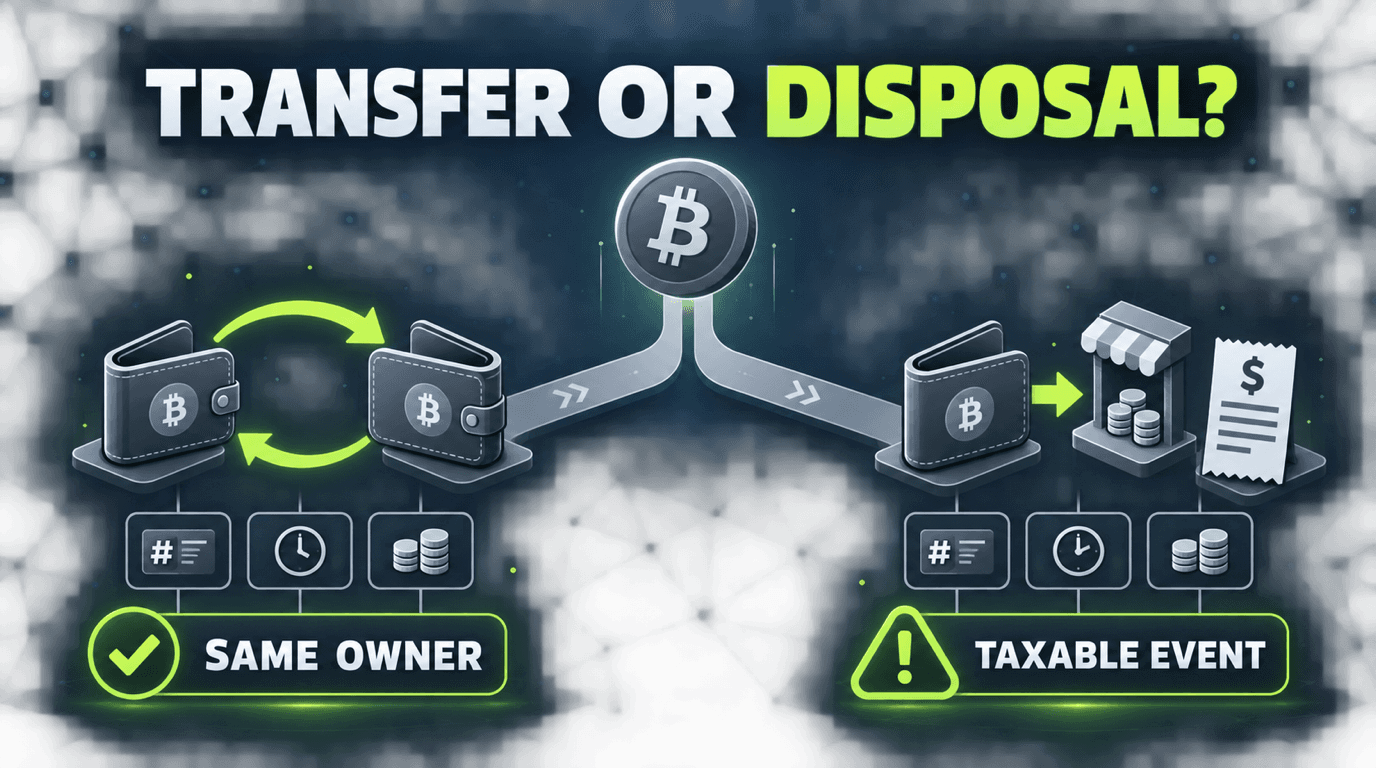
Moving an asset between wallets you control is generally different from selling it. The challenge is proving which transaction is which.
Software can misread a transfer as a disposal when the sending and receiving records do not match. Network fees, wrapped assets, cross-chain bridges, and exchange-specific timestamps can make this worse. A false disposal can create a gain that never happened. A missed disposal can understate income.
The accountant reviews ownership, timing, transaction hashes, quantities, and surrounding activity. The goal is a defensible classification, not merely a clean-looking dashboard.
Cost basis has to follow the asset
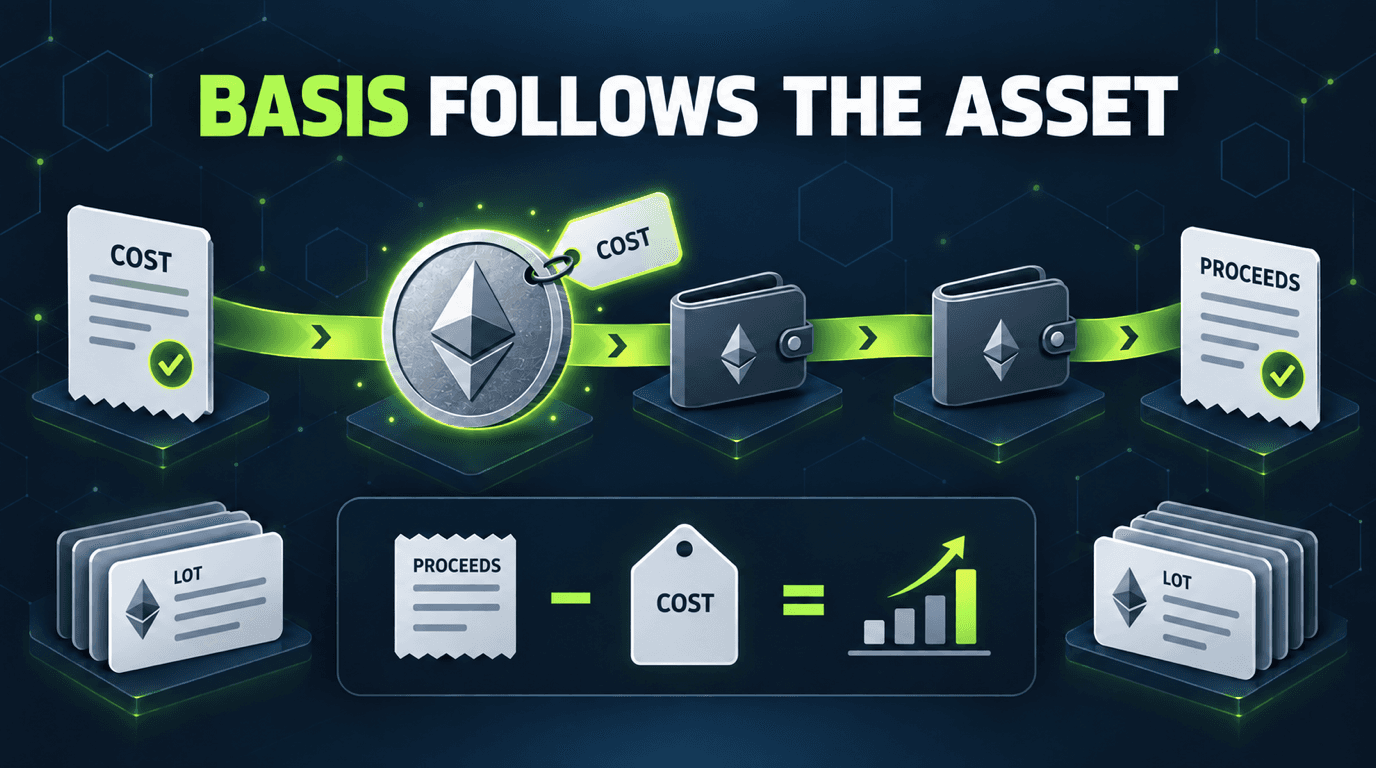
For a taxable disposal, gain or loss depends on proceeds minus adjusted basis. Basis usually begins with acquisition cost and may include certain transaction costs. The selected lot also matters when a taxpayer owns multiple units of the same asset acquired at different prices.
This is where missing transfer history becomes expensive. If a broker knows the proceeds but not the original acquisition, the taxpayer still needs records that support basis.
Form 1099-DA makes this work more visible. The IRS says brokers use the form to report proceeds and, in some cases, basis. Taxpayers must still use the form together with their other records. A form from one broker may not capture activity that happened in self-custody, on another platform, or before the asset arrived.
DeFi activity requires economic classification
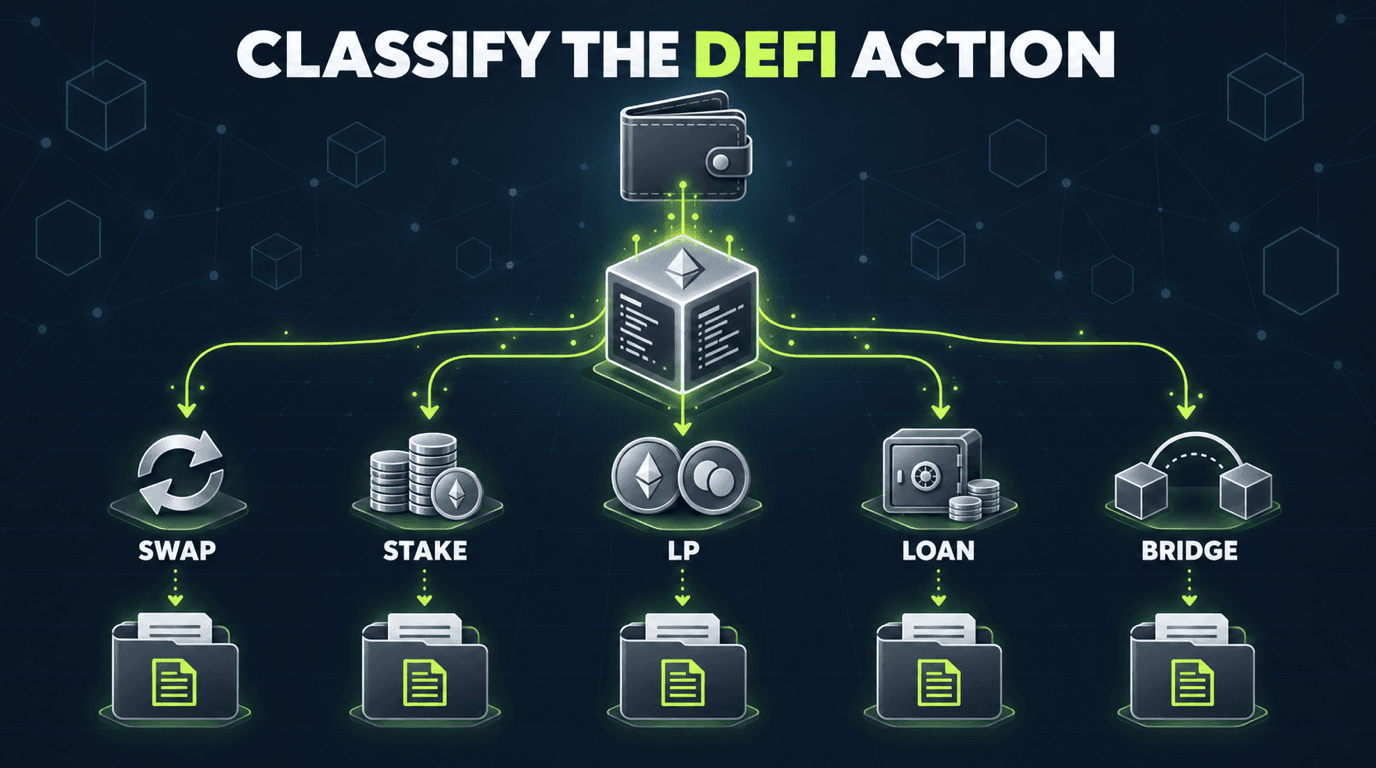
DeFi records are not self-explanatory. A wallet may interact with a smart contract dozens of times during one economic activity.
The accountant has to understand what happened:
- Was the taxpayer swapping one asset for another?
- Was liquidity contributed and a new token received?
- Was a reward earned?
- Was collateral deposited or withdrawn?
- Was a loan opened, repaid, or liquidated?
- Did a bridge move the same asset or create a materially different position?
The correct treatment depends on the facts and available authority. Software labels can help organize the data, but they do not replace professional judgment.
Income items are separated from capital transactions
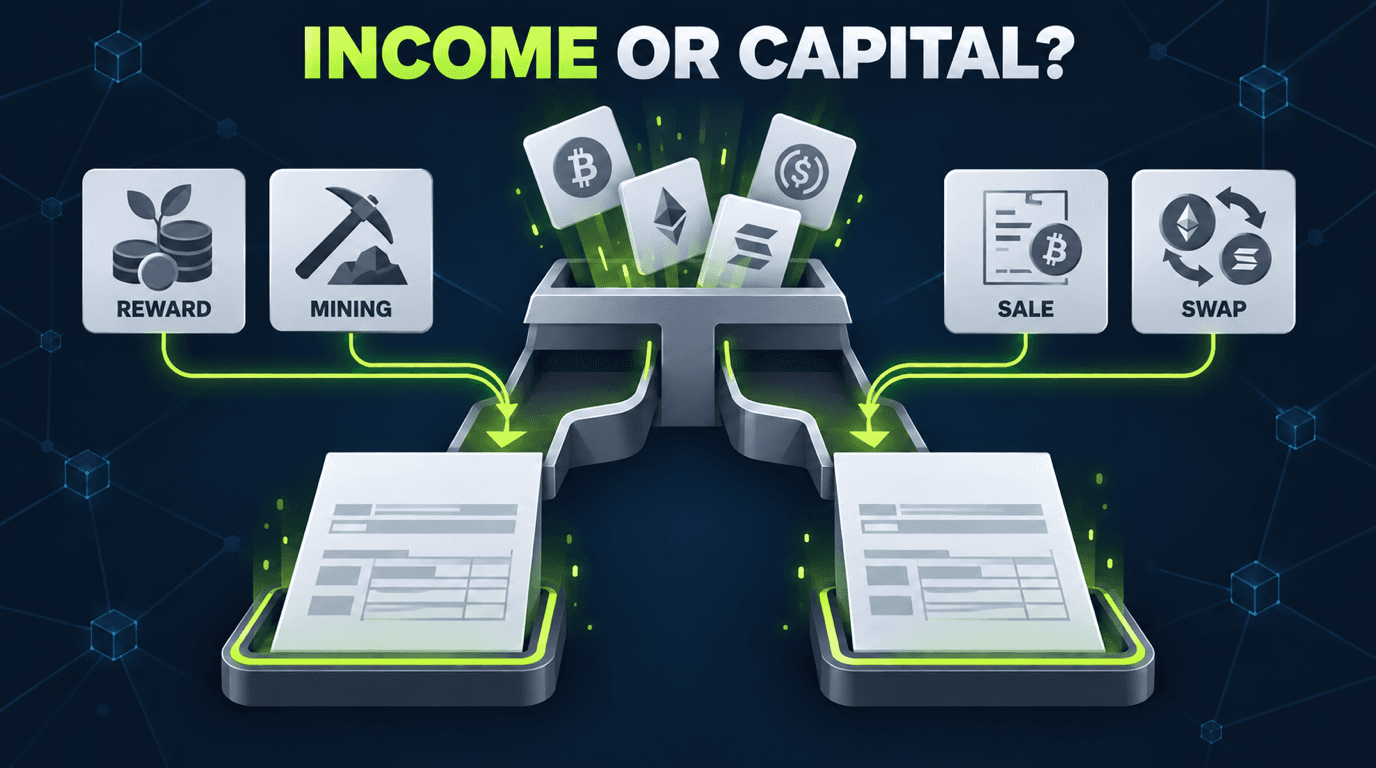
Crypto activity can produce several types of tax records. Sales and exchanges commonly create capital gains or losses. Compensation, staking rewards, mining proceeds, referral payments, and other receipts may create ordinary income. A business may also have expenses and reporting obligations that do not appear on an individual investor’s return.
A crypto tax accountant separates these streams and maps the final numbers to the relevant tax forms and schedules.
For capital transactions, the IRS generally directs taxpayers to Form 8949 and Schedule D, subject to the applicable form instructions. Income items may flow elsewhere on the return depending on why and how they were received.
Broker forms are reconciled rather than accepted blindly
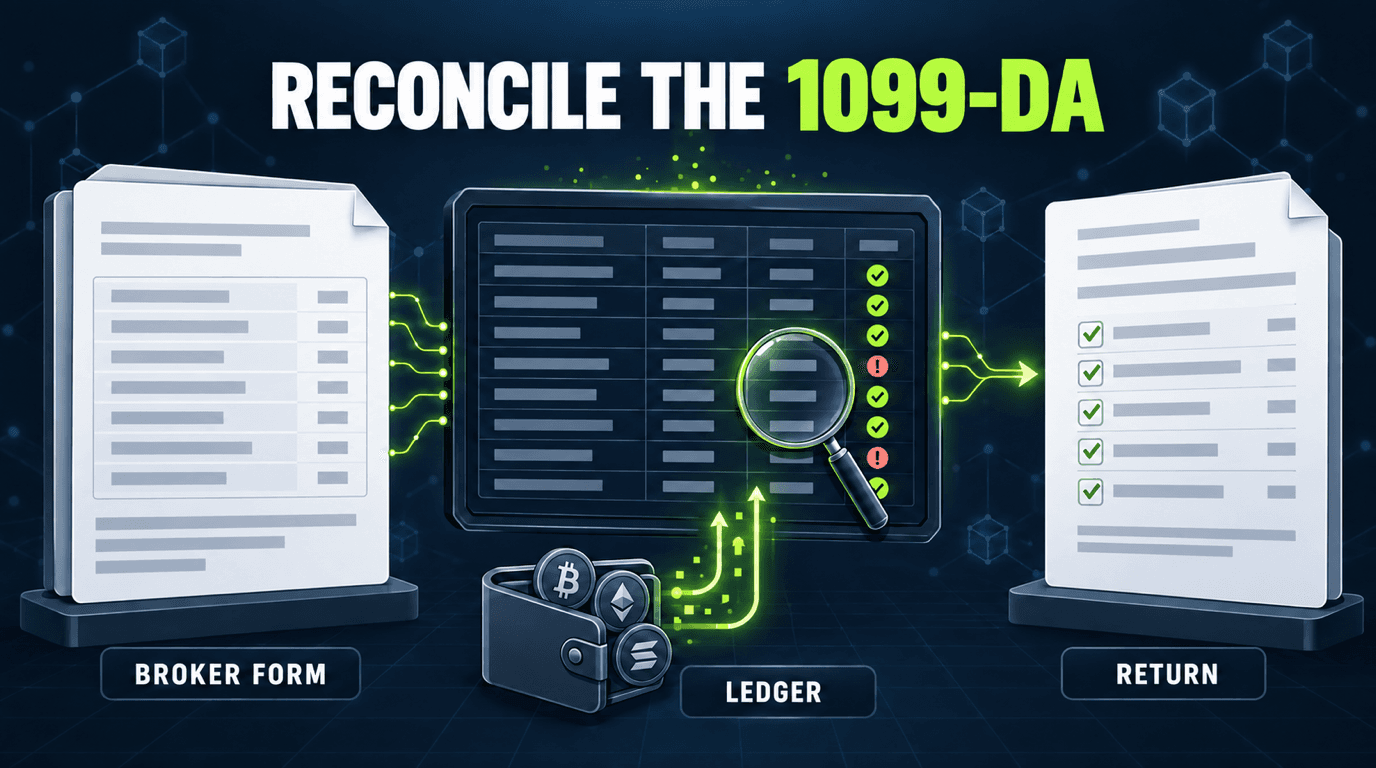
A Form 1099-DA, 1099-MISC, or other broker statement is an input. It is not necessarily the entire answer.
The accountant compares reported proceeds, basis, withholding, and transaction counts against the reconciled ledger. Differences are investigated before filing. If a form is wrong, the IRS advises taxpayers to request a correction from the issuer and keep the related records.
This comparison matters because the IRS receives its own copy of many information returns. A return that reports materially different numbers should be supported by records and a clear explanation.
The final output should be reviewable
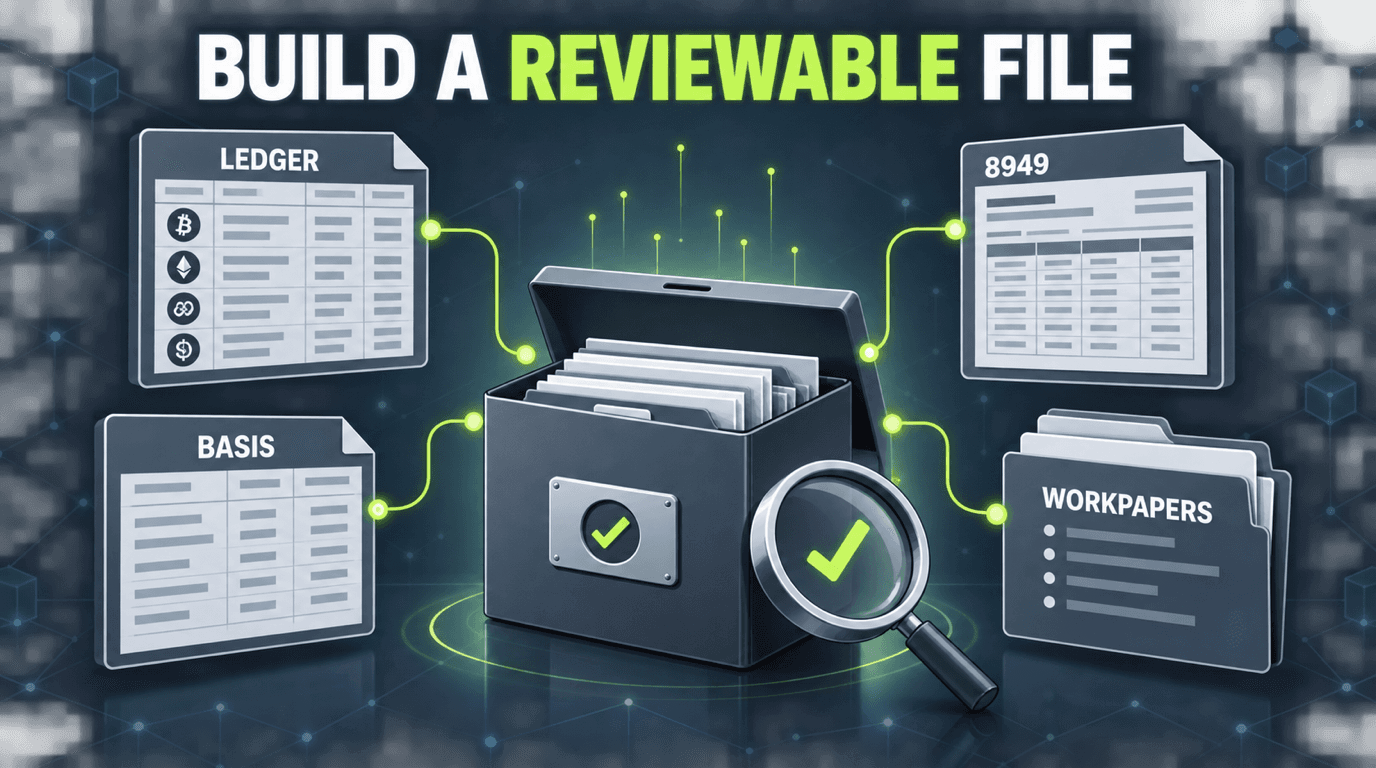
Good crypto tax work produces more than a total gain or loss. The file should show how the numbers were built.
Depending on the engagement, that can include:
- A reconciled transaction ledger
- A transfer-matching record
- Cost-basis and lot-selection support
- Income classifications
- Form 8949 detail
- Workpapers tying broker statements to the return
- A list of assumptions and unresolved items
These records make review easier for the preparer, the taxpayer, and any professional who handles a later amendment or IRS notice.
When should you hire a crypto tax accountant?

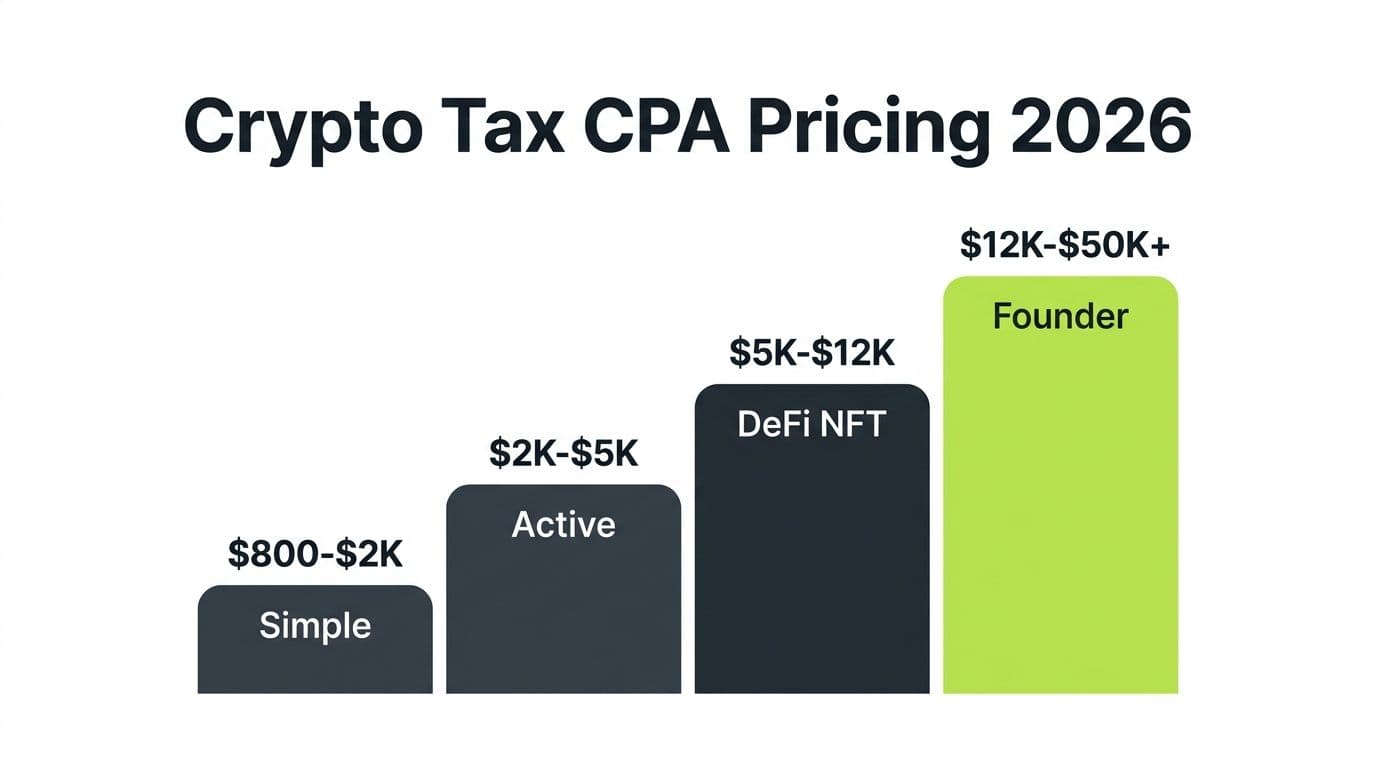
Professional help becomes more valuable when there are multiple wallets, missing records, DeFi activity, NFTs, derivatives, business income, large gains, prior-year errors, or an IRS notice. For a breakdown of engagement scoping, see our guide to crypto tax CPA costs. COS Elite’s crypto CPA services are built for exactly these situations, from reconciliation through the filed return.
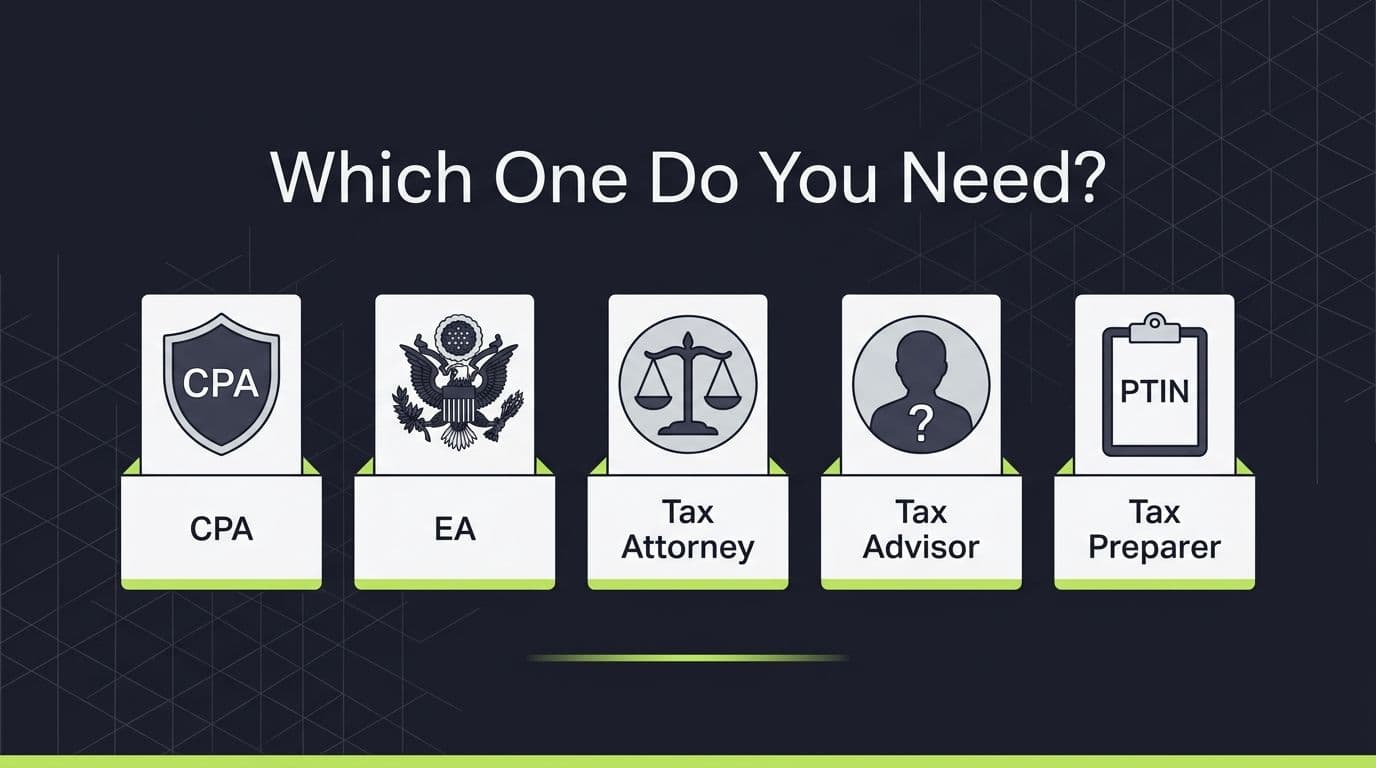
Credentials matter, but specialization matters too. The IRS notes that CPAs, enrolled agents, and attorneys have unlimited representation rights before the agency. Their day-to-day experience can still differ sharply. A CPA who prepares conventional returns may have little exposure to on-chain records or digital asset cost-basis reconstruction.
Before hiring anyone, ask how they handle transfers, missing basis, DeFi, broker-form mismatches, and workpaper retention. This guide to choosing a crypto tax CPA provides a fuller vetting checklist.
The short answer
A crypto tax accountant turns fragmented exchange, wallet, and protocol records into supportable tax positions. The work combines data reconciliation, accounting judgment, tax-form preparation, and documentation. If that describes your records, you can work with a crypto CPA who handles the reconciliation, the forms, and the follow-up questions.
For complex accounts, the difference between a software export and a reliable return is the work done between them. COS Elite provides crypto tax return preparation for investors who need that work handled from transaction history through filing.
This article is general information, not individualized tax or legal advice.
Frequently Asked Questions
What does a crypto tax accountant do?
A crypto tax accountant gathers and reconciles exchange, wallet, and protocol records; distinguishes transfers from taxable transactions; reconstructs cost basis; classifies income and DeFi activity; and prepares workpapers that support the tax return.
When should I hire a crypto tax accountant?
Professional help is most useful when you have multiple wallets, missing basis, DeFi or NFT activity, derivatives, prior-year errors, large gains, business activity, or an IRS notice.
Can crypto tax software replace an accountant?
Software can organize records and calculate results, but complex accounts often require professional review of transfers, missing data, economic classifications, broker-form differences, and tax-form reporting.
Does a crypto tax accountant review Form 1099-DA?
Yes. The accountant should compare reported proceeds, basis, withholding, and transaction counts against the taxpayer's complete reconciled records and investigate material differences.